

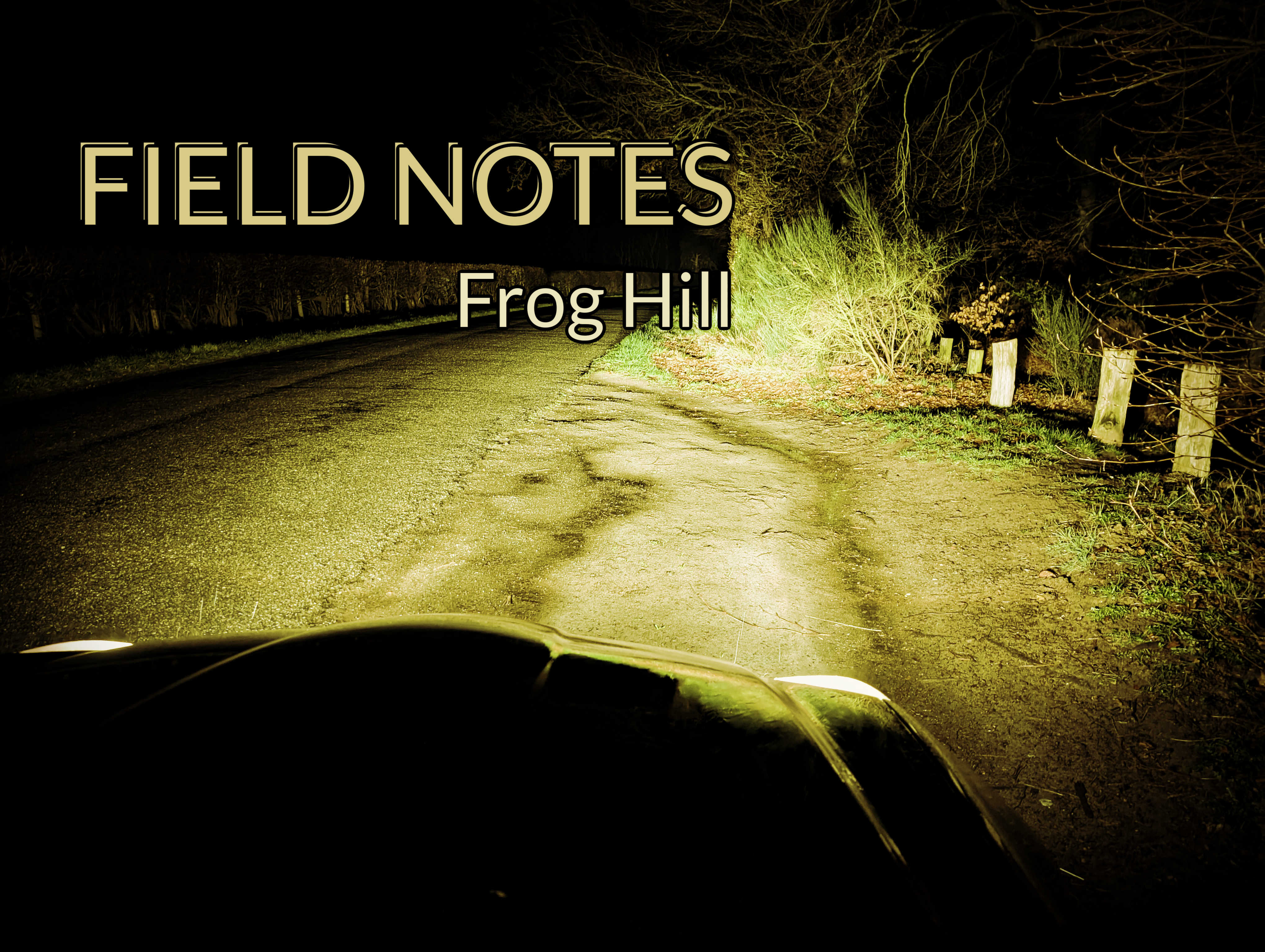
Drive out of Croxton on a spring evening and you may notice something unusual happening along a quiet lane sometimes known locally as Frog Hill.
The road leads towards the edge of Ministry of Defence land near Fowl Mere. For most of the year nothing much appears to happen there. A few fields, hedgerows, the occasional car. The sort of place people drive through without noticing.
But in early spring the frogs move.
Hundreds of them emerge from the water and begin a determined migration across the road toward breeding ponds on the other side. Volunteers appear with torches and high-visibility jackets, encouraging drivers to slow down and avoid turning the lane into an amphibian catastrophe.
I’m always happy to oblige. After all, each frog looks suspiciously like a witch’s familiar on important business.
Whether the volunteers appreciate that interpretation is another matter. On the few occasions I’ve stopped to talk, I’ve noticed a faint air of suspicion. One suspects they’re wondering what exactly I’m doing out there in the half-dark observing frogs with such philosophical interest.
Which is fair enough.
The scene reminds me of a moment in a Sherlock Holmes story where Dr. John Watson admires the peaceful English countryside from a train window. Fields, cottages, everything looking perfectly idyllic.
Holmes, naturally, ruins the moment.
Behind those pleasant doors, he observes, you often find the most interesting human dramas.
It’s a useful reminder that quiet places rarely mean simple lives.
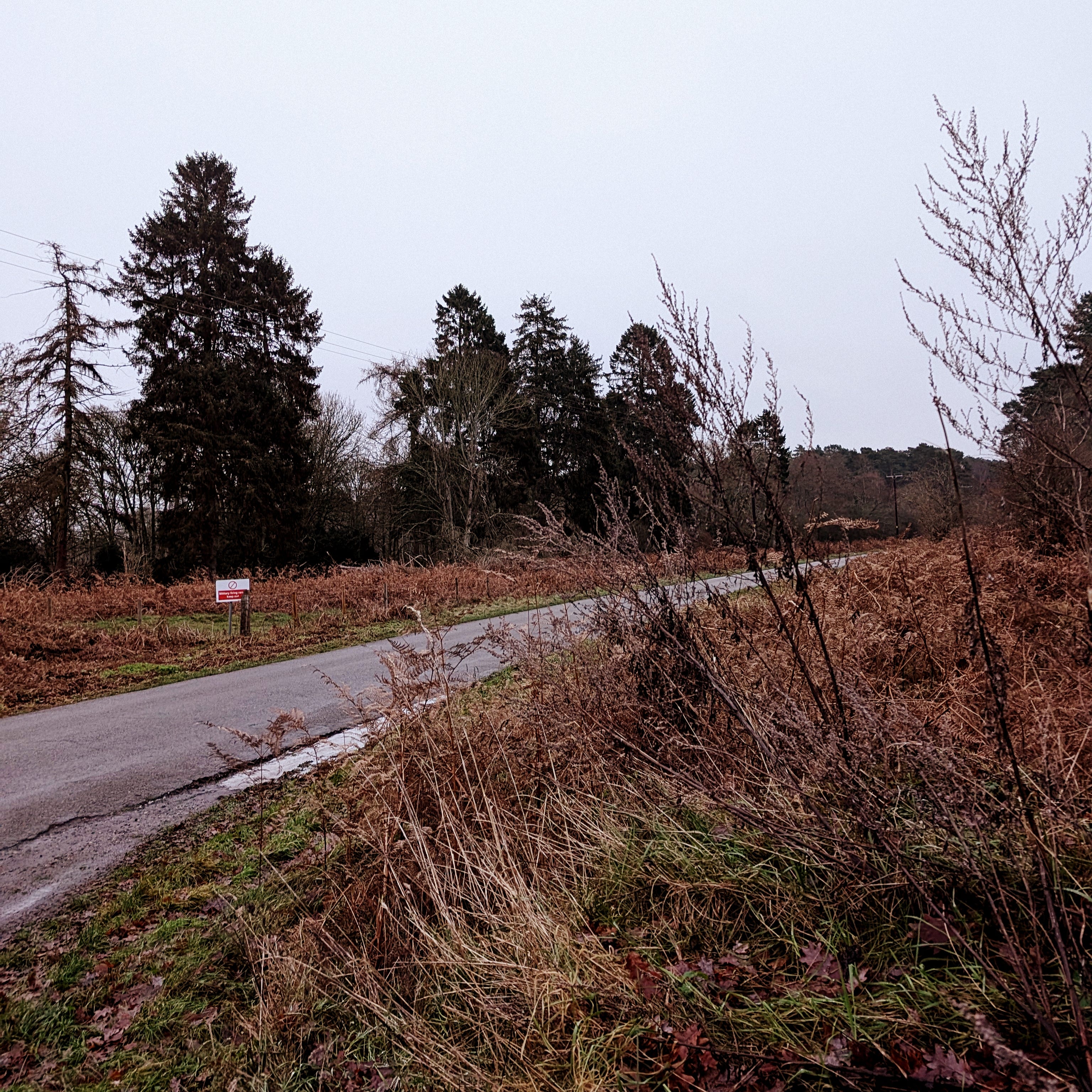
Even a small village like Croxton contains the full spectrum of human behaviour — ambitions, rivalries, alliances, misunderstandings — all unfolding politely behind curtains and garden hedges.
The frogs, at least, are honest about their motivations.
They are responding to a pattern embedded deep in instinct. Each year the same migration occurs with remarkable determination. Cross the road, reach the water, begin the cycle again.
Humans like to imagine we operate on a higher intellectual plane.
Yet much of modern life follows patterns just as automatic.
People drift into careers because the path appears in front of them. They adopt habits, beliefs and routines because everyone around them does the same. Institutions develop their own momentum, encouraging behaviour that nobody fully questions.
Drive down Frog Hill at night and the frogs crossing the road look chaotic at first. But step back and the pattern becomes clear.
They are simply following the route that evolution has written into their instincts.
The interesting question is whether humans are quite so different.
Much of society functions through invisible patterns — expectations, incentives, rules of behaviour — quietly shaping how people move through the world. Most of the time we follow those routes without even noticing they exist.
Occasionally something interrupts the pattern.
A strange event. A moment of insight. A person who begins asking inconvenient questions.
Then the system hesitates for a moment, rather like a driver slowing down on Frog Hill while frogs cross the road in the headlights.
Perhaps that is the real lesson of the place.
Quiet landscapes are good for observation.
Stand long enough on a dark lane in Suffolk and you begin to notice that patterns exist everywhere — in wildlife, in institutions, in human relationships.
Some of them are ancient.
Some of them are absurd.
And once you start seeing them, it becomes very difficult to pretend they aren’t there.